
Many industries have evolved significantly in recent years, undergoing periods of rapid transformation driven by technological advancements and the need to optimize processes. In numerous fields, the demands for precision, efficiency, and flexibility are becoming increasingly complex. As a result, companies are forced to continually adapt their ways of working.
The rapid pace of industrial development poses additional challenges for manufacturers and engineers. Products are becoming more compact, and technical specifications change frequently in response to technological advancements and market demands. In this context, the ability to adapt has a direct impact on operational stability and efficiency.
In the adhesive materials industry, adaptability involves more than simply transforming raw materials into customized components. It refers to the ability to develop technical solutions that meet the specifications of each application and are capable of addressing complex needs. For this reason, collaborating with specialists can be a critical factor in the success of many industries.
How have requirements in the industrial sector changed
In the past, many processes were built around standardized products and relatively stable production flows. Today, companies must simultaneously manage multiple types of projects and meet a variety of requirements. This affects how production is organized and how materials are selected and processed.
In practical terms, many companies aim to:
- Reducing variations between product batches
- Maintaining precise tolerances
- Optimization of automated processes
- Quick adaptation to new technical requirements
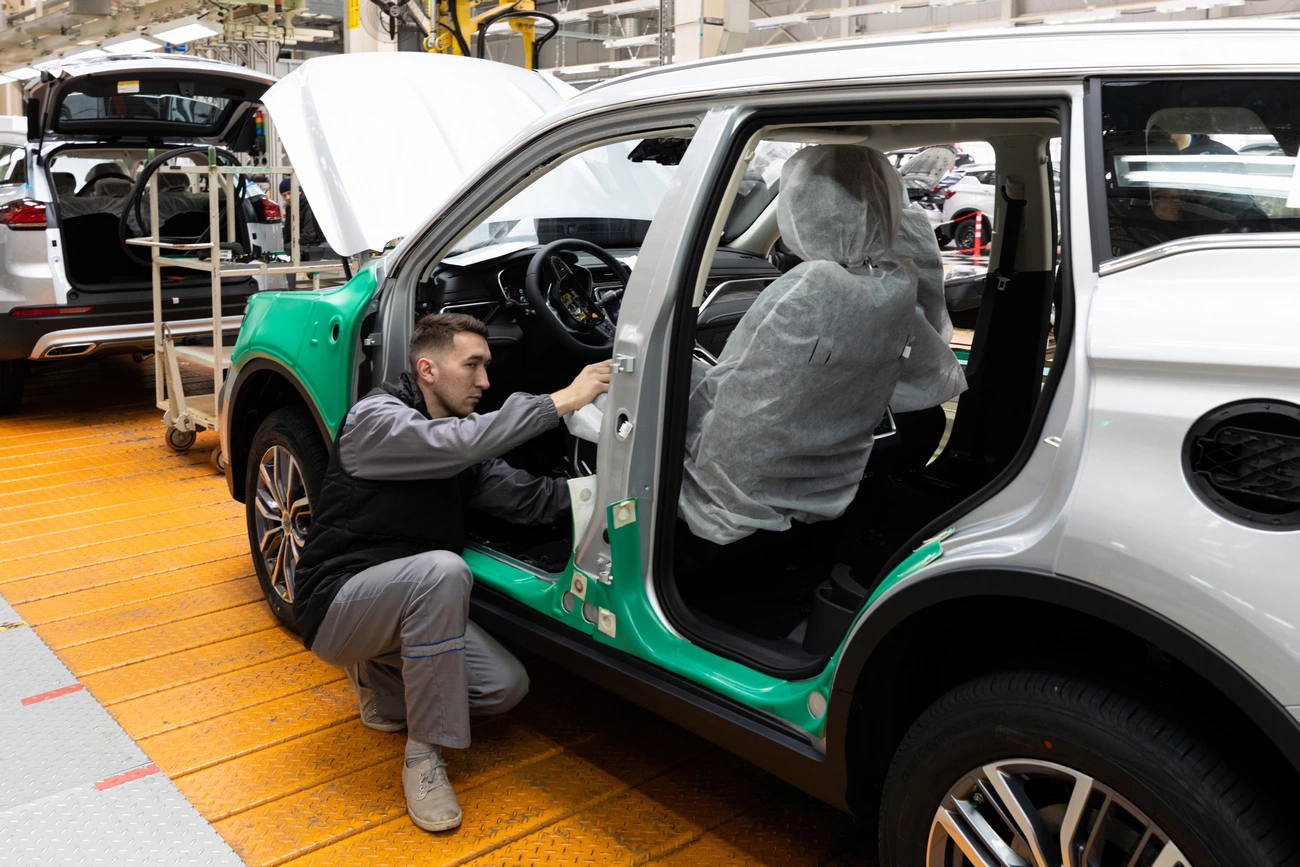
Modern products are designed to incorporate multiple functions into a small space. This increases the need for precision, particularly in the automotive, electronics, and home appliance manufacturing sectors. Components must be efficiently integrated into complex assemblies and manufactured to strict specifications.
As industrial processes evolve, off-the-shelf solutions are no longer sufficient in every situation. There is growing interest in solutions developed specifically for a particular application, which can operate efficiently regardless of conditions and changes on the production line.
The role of custom solutions in streamlining processes
The efficiency of internal processes is not determined solely by production speed. The way materials and parts are configured and integrated also plays a significant role. A customized technical solution can help optimize process steps and eliminate variations in repetitive processes.
In conversion, adhesive components can be precisely integrated into production and assembly processes. Their dimensions, shape, and characteristics are tailored to the project, ensuring that the parts provide a stable bond between the other components.
Customization offers clear benefits in industrial operations:
- Streamlining the workflow by integrating pre-cut parts
- Replacing mechanical fasteners and avoiding drilling into surfaces or materials
- Optimizing material usage and efficient cost management
- Even distribution of clamping force across the entire contact surface
Partnerships that keep pace with change
In a constantly evolving industrial environment, adaptability is not limited to simply having high-performance equipment. It also depends largely on the quality of collaboration between companies and various specialists. A mere supplier of materials can become a weak link if it lacks the ability to respond quickly when requirements and needs change along the way.
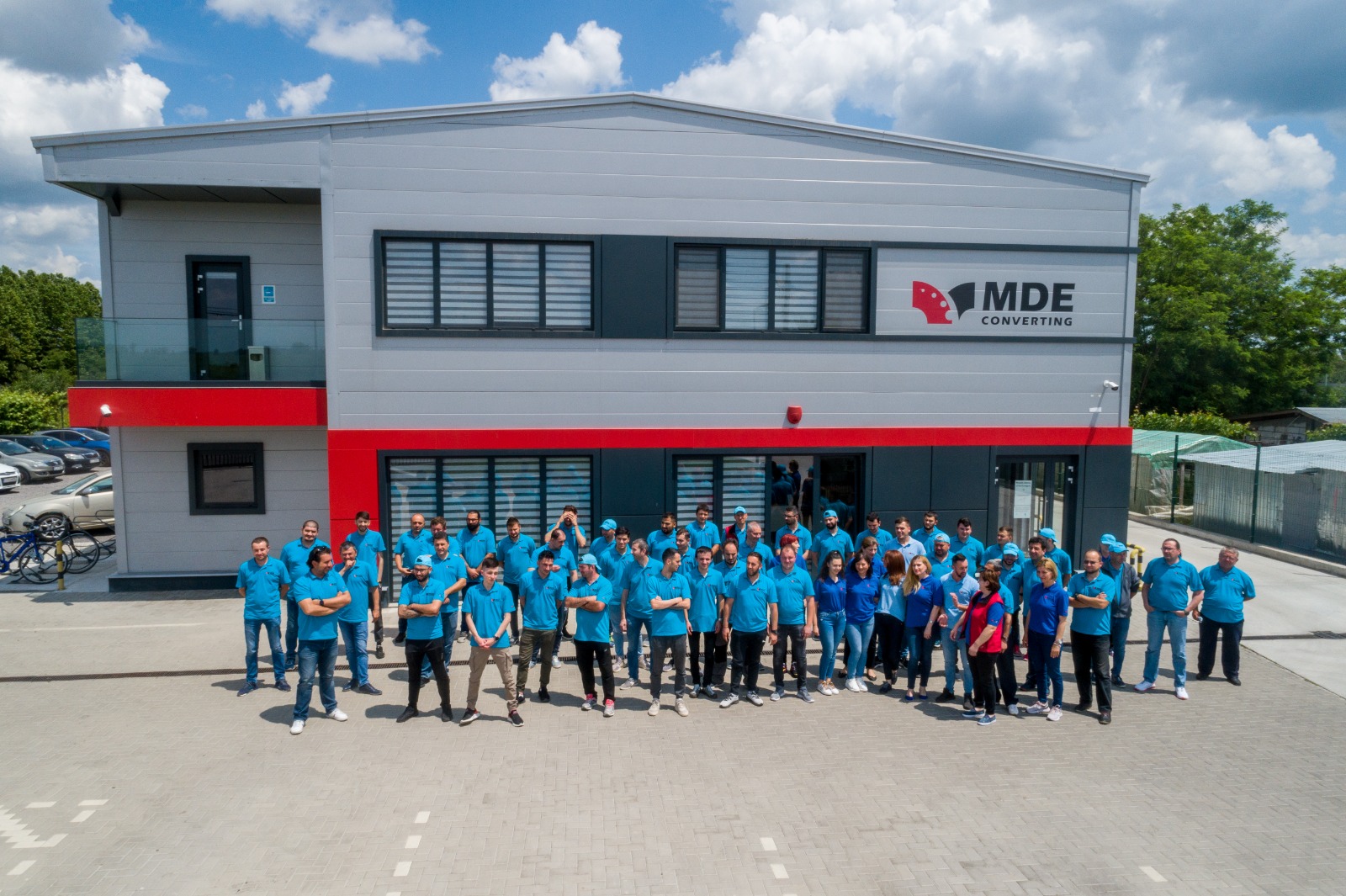
At MDE Converting, we understand that the dynamics of a project can change rapidly from the concept phase to mass production. Close collaboration with our partners allows us to provide the necessary support at every stage. This applies whether we’re testing a new material to ensure it withstands harsh conditions or quickly producing samples for design validation.
A flexible partnership involves consulting based on relevant expertise, rigorous monitoring and control of processes, and the delivery of components that eliminate bottlenecks in the process. Regardless of the challenges, operations can run efficiently and remain stable over time.
How can companies successfully adapt
As products become more complex and market demands change, the ability to adapt processes has become essential for companies. From material selection and processing to the integration of custom adhesive parts, every step can influence the performance of a production line.
Working with a specialized converter can ensure that challenges are properly addressed from the very beginning. By focusing on customization, precision, and constant communication, we support companies in their efforts to adapt. When solutions are tailored to the realities of the factory floor, the result is a stable, future-ready workflow.

 EN
EN  RO
RO  DE
DE