
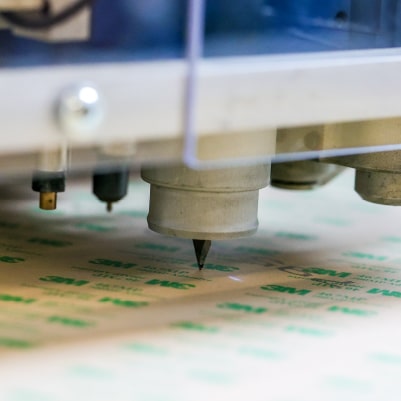
The performance of an adhesive solution is influenced by the conditions under which it is used. Temperature is one of the factors that can have a significant impact on stability and strength. The behavior of the components can be affected by constant exposure to heat, sudden temperature fluctuations, or low-temperature environments.
There are industrial environments where materials must retain their properties even under harsh conditions. In many cases, adhesive components are incorporated into complex applications. They are frequently exposed to temperature fluctuations, vibrations, or environmental factors that can affect them. For this reason, the raw materials used are of critical importance.
Our specialists have experience working with a wide variety of materials. They carefully review all the specifications of the projects they work on so they can select the right option. They also collaborate with technical teams to effectively address all requirements and challenges.
What happens to flexible materials
Flexible materials used in various applications may react differently depending on the temperature conditions to which they are exposed. High temperatures can affect the behavior of certain tapes, and repeated temperature fluctuations can contribute to changes in their properties.
In complex industrial projects, stability is key. The material used must remain stable during repetitive processes or in environments where temperature fluctuations are constant. Technical films and foams must be tailored to specific conditions to ensure the long-term performance of the final application.
Depending on the project, fluctuations may affect:
- Deformation resistance
- How it fits into the bigger picture
- The consistency of contact between surfaces
- Sealing and cushioning properties
Controlling these factors is crucial for maintaining stable production and assembly processes. It is also important for reducing the risk of issues that could affect productivity and the quality of the final product.
How do experts address temperature fluctuations
In conversion projects, thermal fluctuations are taken into account and analyzed from the very beginning. Our team monitors how the raw material behaves under specific conditions. This approach helps us identify the right material for a given application, taking all of its requirements into account.
Here is what we are specifically aiming to achieve:
- Preventing surface tension
- Maintaining the exact shape and dimensions
- Preventing the formation of residues
- Maintaining insulation capacity
Early analysis can prevent premature delamination of components and ensure greater dimensional stability. It can also help prevent parts from expanding or contracting beyond acceptable limits and prevent the adhesive from migrating or leaving residues.
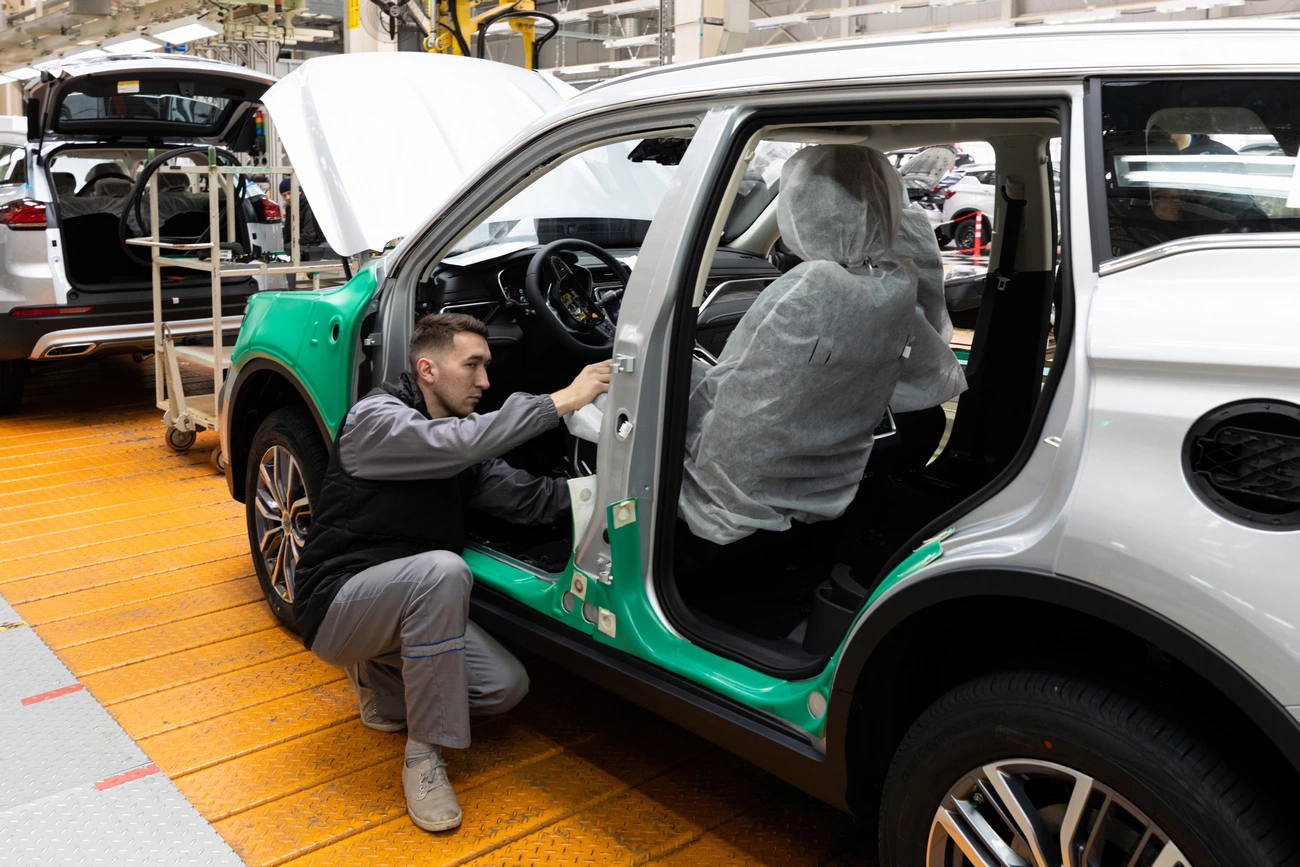
This approach is crucial for applications where components serve a dual purpose, acting both as fasteners and as protective barriers. Maintaining thermal, acoustic, or electrical insulation performance under thermal variations is often a critical requirement in the automotive industry or in the field of electronics.
What technical teams need to know
The temperature at the time of application or installation of the converted part is very important. If the work area is too cold, the adhesive can become stiff. If it is too hot, it can become more fluid. That is why our specialists recommend the appropriate materials to ensure that the final part is not compromised and the adhesive bonds properly.
When temperatures fluctuate, plastic and metal surfaces expand or contract at different rates. If the part is not designed properly, these movements can cause it to come apart. Therefore, early discussions between teams help in selecting a material capable of withstanding these stresses without failing.
It is important to know what kinds of conditions the component will be subjected to over the long term. The conditions differ depending on whether it is exposed to constant heat or alternates between hot and cold. By knowing these details from the outset, you can choose the optimal option that will not deteriorate and will maintain its strength throughout its service life.
The safety of joints depends on expertise and precision
From a thermal standpoint, the performance of adhesive solutions can be effectively controlled if analyzed in advance. A joint that fails can often lead to production delays and additional costs. However, all of these issues can be prevented by making the right choices.
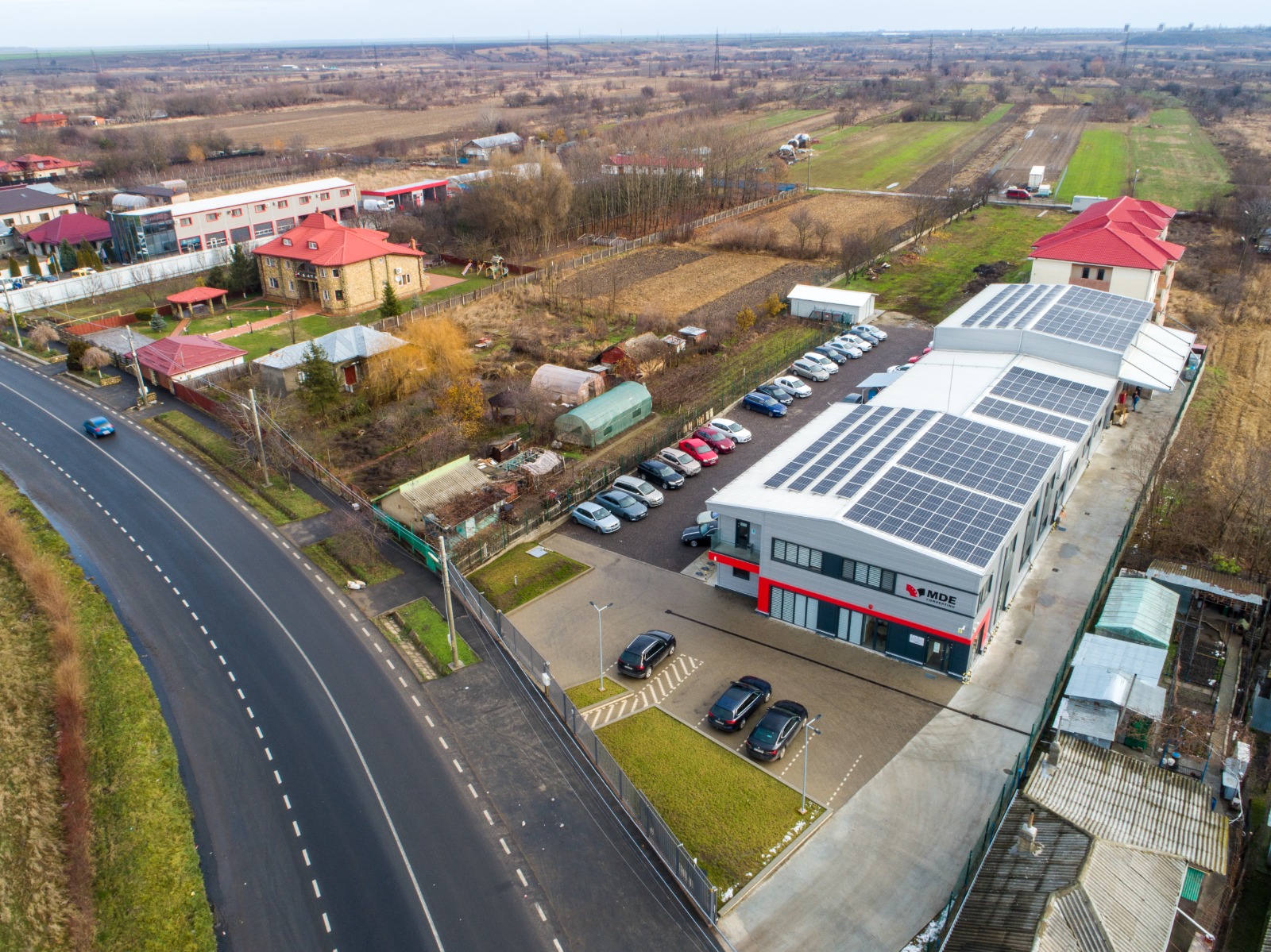
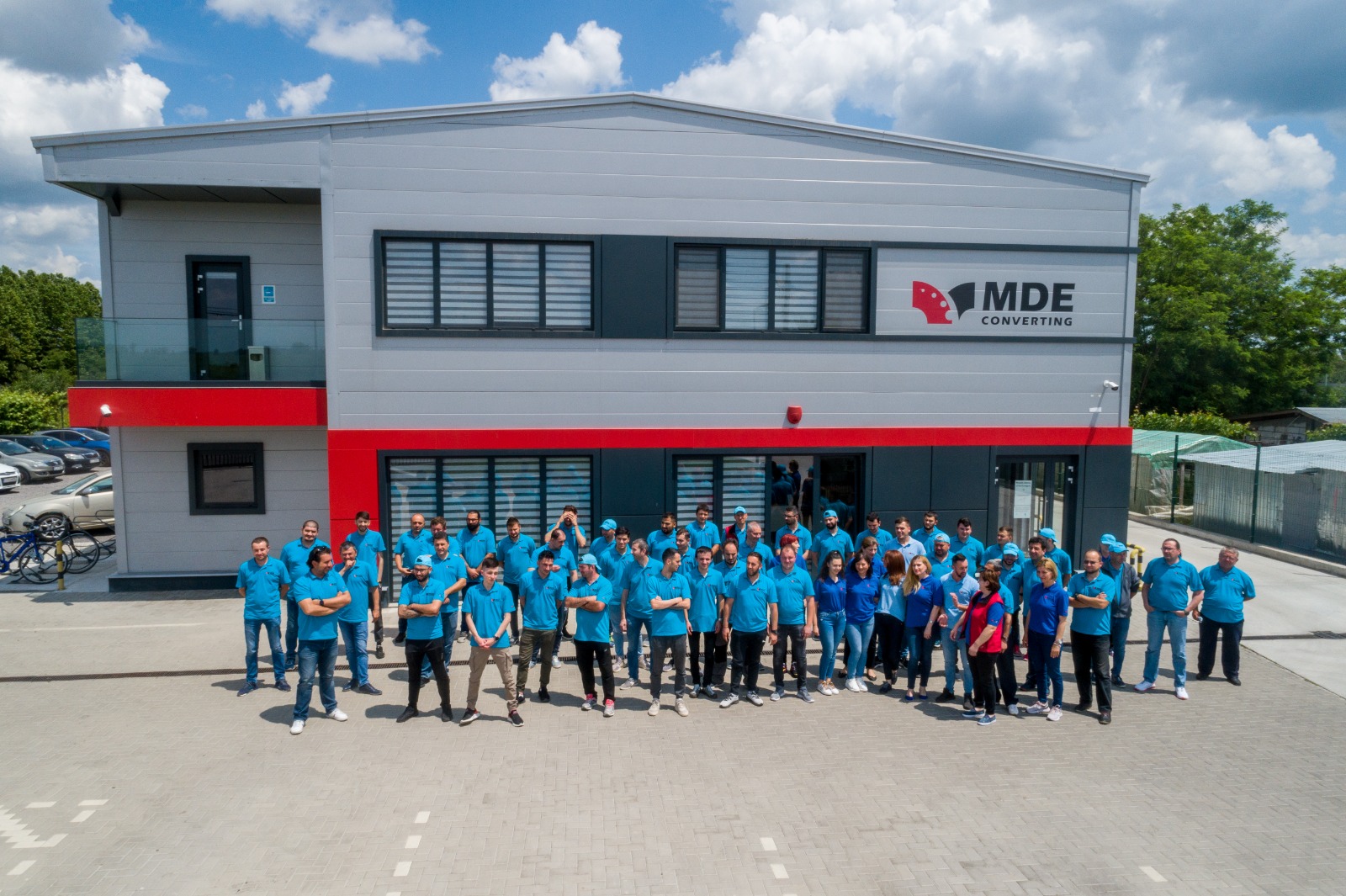
At MDE Converting, our goal is to tailor every technical solution to the specific requirements of each project. When the exact shape of the part is paired with the right material for the application, the result is a durable and stable fastening solution, regardless of the conditions.

 EN
EN  RO
RO  DE
DE