
In the industrial sector, reducing waste is a goal pursued in numerous projects, regardless of the field of activity. Attention is often focused on manufacturing processes, but many of the decisions that influence material usage and production operations are made as early as the design phase. A careful initial analysis can provide a clearer picture of the application’s requirements and how they can be met.
Designing an adhesive component involves more than just determining its dimensions or selecting a material. It requires an understanding of the functions for which it will be used, the operating conditions, and how it will interact with the other elements of the assembly. The earlier these aspects are analyzed, the better-informed the decisions can be.
In our field, every project starts with different requirements. For this reason, we develop solutions tailored to the specific characteristics of each application. This ensures that the final solution best meets the technical and functional objectives of the projects we work on.
Careful analysis can reduce the need for subsequent changes
Every industrial project involves numerous decisions that influence subsequent stages of development. When project requirements are analyzed from the very beginning, issues that would require changes if they were only noticed during implementation can be identified early on.
The design process involves coordinating various pieces of information. It is not enough for a component to have the right dimensions; one must also analyze how it integrates into the product, the materials it comes into contact with, and the conditions under which it will be used. This approach allows for a more thorough evaluation of the solution before it goes into production.
Among the elements analyzed at this stage are:
- Characteristics of the final product
- Materials used in the application
- Required dimensions and tolerances
- Available installation space
- Terms of use
Each application requires a different approach
In the manufacturing industry, products can have very different requirements even when they perform similar functions. For example, a part intended for a compact electronic device is designed differently from one used in industrial equipment or in an automotive application. Each of these products operates under different conditions and has specific assembly requirements.
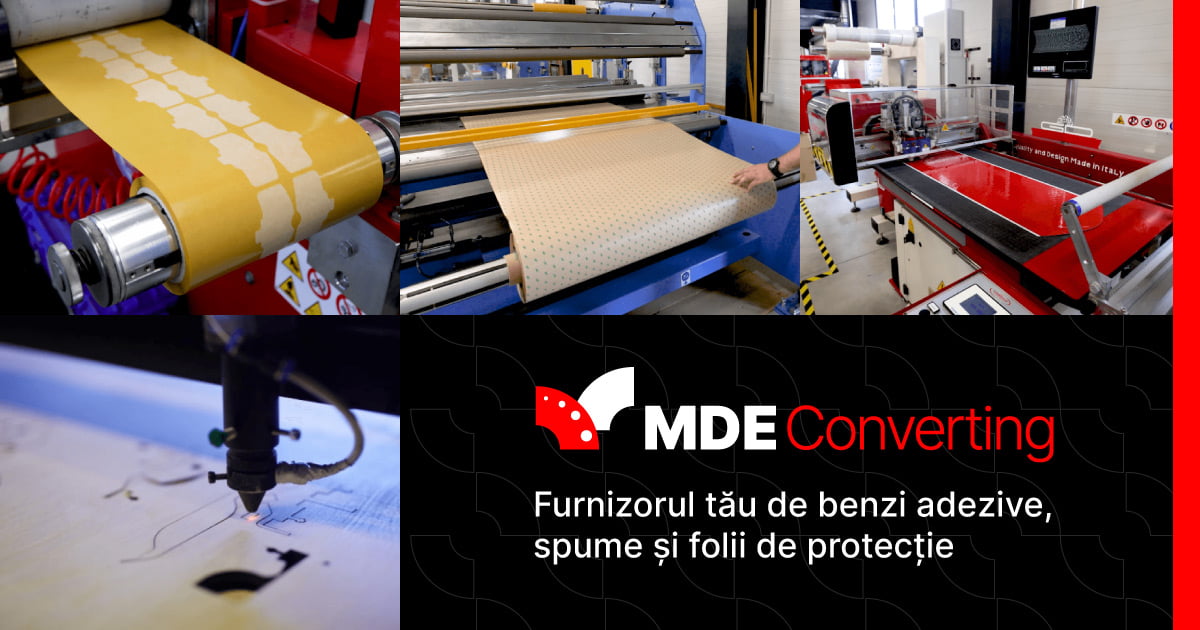
In the field of material conversion, custom design allows components to be tailored to the specific characteristics of each application. The shape, thickness, structure, and materials used are determined based on the project’s objectives and how the product will be used in practice. Thus, the proposed solution is built based on the actual requirements of the application, not on a standard configuration.
Here's how such an approach can help:
- Adapting the solution to the specific requirements of the project
- Efficient use of available space
- Easier integration into the final product
- Selecting materials with specific properties
- Reducing the need for subsequent changes
Proper design can support the manufacturing process
The influence of the design does not end with the completion of the adhesive component. Decisions made at this stage can affect how the product is assembled, the organization of subsequent stages, and the use of available resources.
When a component’s configuration is determined based on the application’s actual requirements, the implementation becomes easier to manage. A well-tailored solution reduces the need for additional interventions. At the same time, it provides technical teams with clear direction from the very beginning of the project.
Collaboration among the specialists involved in developing the optimal solution helps ensure that all relevant aspects are evaluated before the solution goes into production. Analyzing the application from multiple perspectives allows for the identification of options that better meet the project’s technical and functional requirements and facilitates the implementation of subsequent stages.
An approach that helps companies work better
Loss reduction does not begin when materials enter production, but rather with the initial decisions regarding component design. A thorough analysis of the application, an understanding of the technical requirements, and the selection of an appropriate configuration can influence how the entire project unfolds.
In the field of materials processing, every application has its own challenges and objectives. For this reason, precision engineering is a process that aims to adapt components to actual operating conditions and to the specific characteristics of each product or process. Through an approach based on analysis and collaboration, we can develop solutions that better meet the needs of today’s companies. We focus on real challenges and on finding effective, long-term solutions.


 EN
EN  RO
RO  DE
DE