
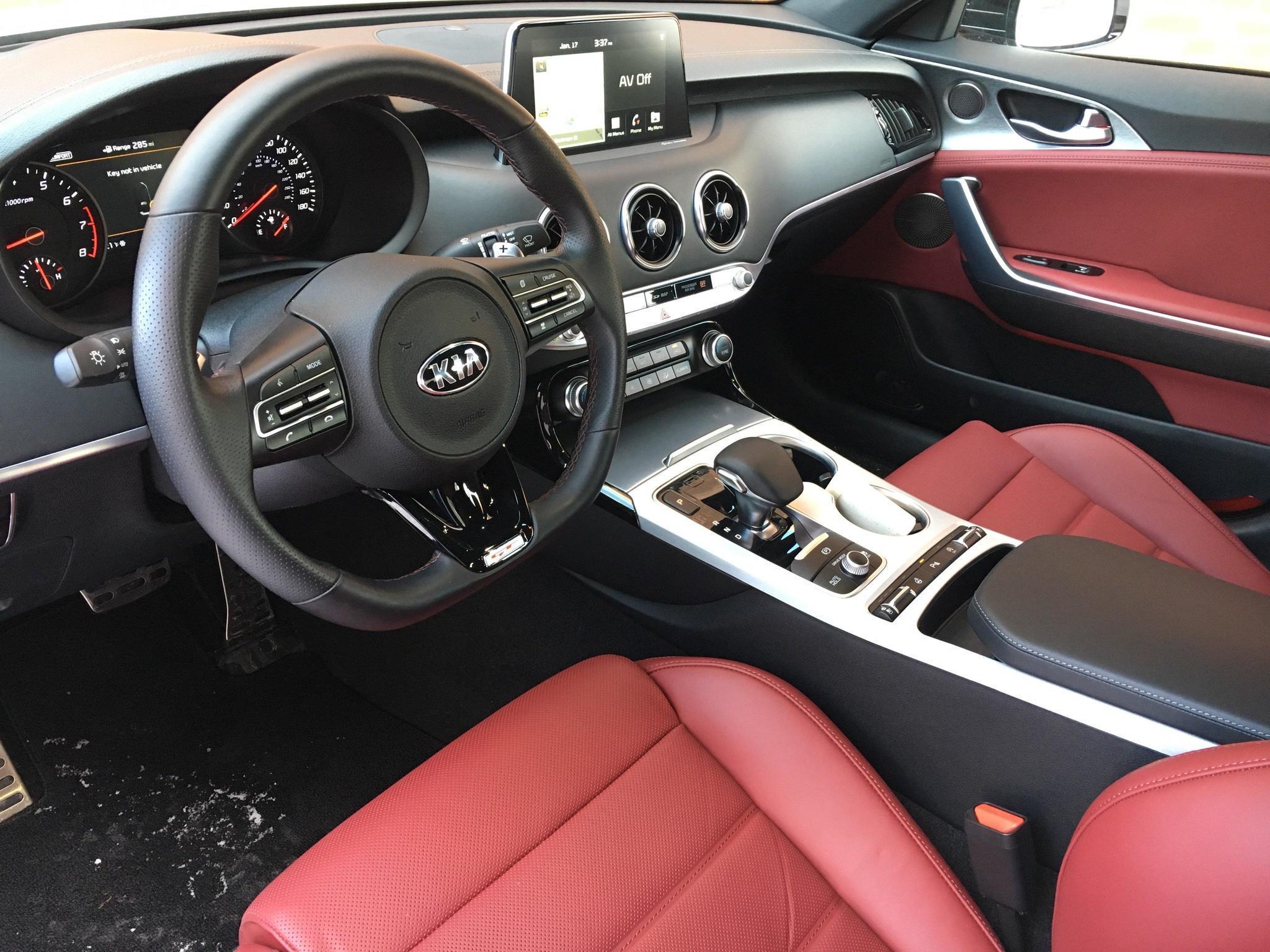
The development of modern vehicles involves more than just choosing an attractive design or integrating new technologies. Behind every model lies a complex design process, in which each component is analyzed based on the role it will play in the final product. Even parts that are not visible to the user can have a significant impact on the user experience.
In recent years, weight optimization has become one of the key priorities for manufacturers in the automotive sector. The goal, however, is not to produce lighter vehicles at any cost, but to strike a balance between safety, performance, comfort, and efficiency. For this reason, many decisions are made as early as the design phase, and each component is analyzed within the context of the entire vehicle.
At MDE Converting, we approach each project by starting with the actual requirements of the application. By converting adhesive materials, we develop customized components tailored to how they will be used and integrated into the final product. In certain applications specific to this industry, these solutions can be part of a set of technical decisions aimed at optimizing vehicle weight.
Why weight loss matters
Weight optimization is considered from the very early stages of a vehicle’s development, as it can influence several aspects of its operation. Depending on the type of vehicle and its configuration, a lower mass can offer many advantages. For example, it can contribute to more efficient energy use, increased range for electric vehicles, reduced emissions, and improved dynamic performance.
Achieving these results, however, does not depend on a single change. Manufacturers evaluate numerous solutions, and each decision is made with consideration for how it affects the entire project. For this reason, weight optimization is viewed as part of a broader development process.
Among the areas analyzed at this stage are:
- Choosing the right materials for each application
- Efficient component design
- Integration of solutions tailored to the assembly process
- Evaluating each component in relation to its role within the whole
Multiple functions in a single component
In many automotive applications, a component is not designed to perform just a single function. The same part can help secure components, provide sealing, protect certain surfaces, or insulate components, depending on the design requirements. This approach can simplify product integration and better meet the technical requirements of the application.
At our company, we develop customized solutions for numerous applications in this industry. We analyze each project based on the role the part is intended to fulfill and select the materials and conversion process best suited for the end use. In certain applications, specialty adhesive tapes are being used more and more frequently, particularly in the context of vehicle weight optimization goals.
Such components can have multiple uses. Here are a few of them:
- Attaching logos and emblems
- Installing decorative elements
- Securing the foam gaskets
- Sealing certain areas of the vehicle body
- Sensor integration
Each project has different specifications
Not all components are used under the same conditions, nor are they designed to meet the same requirements. A part intended for indoor use may require different characteristics than one used outdoors. At the same time, operating conditions influence the choice of materials and the final configuration.
Before developing a component, factors such as the surfaces involved, the available space, the operating conditions, and the functions the part must perform are analyzed. All of this information helps in selecting a solution that is suitable for the specific application.
In our work, we treat each project individually. We tailor the materials and manufacturing processes to the customer’s requirements so that the final component can be integrated as efficiently as possible into the product for which it is intended.
Solutions that address current needs and challenges
Creating a lighter vehicle is the result of a large number of design decisions, and each component can play a role in achieving this goal. The choice of materials, the way parts are designed, and the solutions used to integrate them are analyzed together, based on the requirements of each project.
Components developed through the conversion of adhesive materials can be part of these solutions and may prove effective in the long term. By carefully analyzing requirements and tailoring each part to its end use, we can offer solutions that meet the specific needs of automakers and address the current challenges in this field.

 EN
EN  RO
RO  DE
DE