
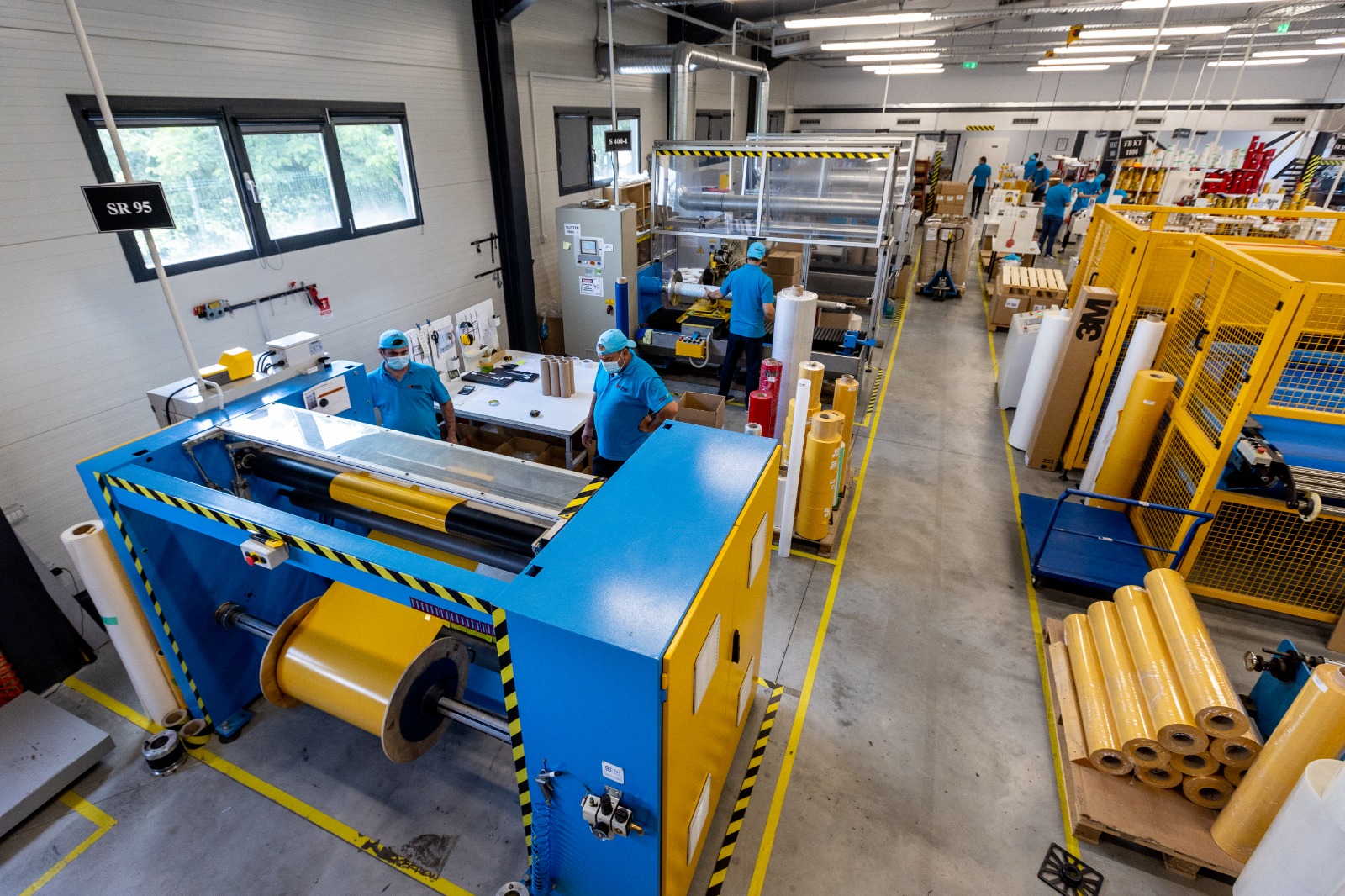
Many applications require technical solutions that precisely meet the specified requirements and fulfill their role over time without any problems. To make this possible, the path to the actual development of the solution involves several important steps. Among these, the selection of the right material is an essential step.
Adhesive materials can contribute to process stability, proper functioning, improved product performance, and many other benefits. All of this can be achieved when the raw material has good adhesive properties while also meeting other technical requirements.
In our work, it is very important to carefully analyze the behavior of materials under various conditions. Understanding their characteristics is essential in order to develop reliable components that are fully adapted to the specifications of a project.
Ability to form a bond with the surface
One of the basic characteristics describes how well it adheres to the substrate and how stable the bond between two materials is. The adhesion is more effective when the surface is properly prepared. This also helps to increase resistance during use.
In technical tests, adhesion is evaluated using several parameters:
- Adhesion to exfoliation – how difficult is it to remove adhesive from a surface
- Shear strength – how well the joint resists forces acting parallel and in opposite directions
- Tensile or compressive strength – behavior under forces acting directly
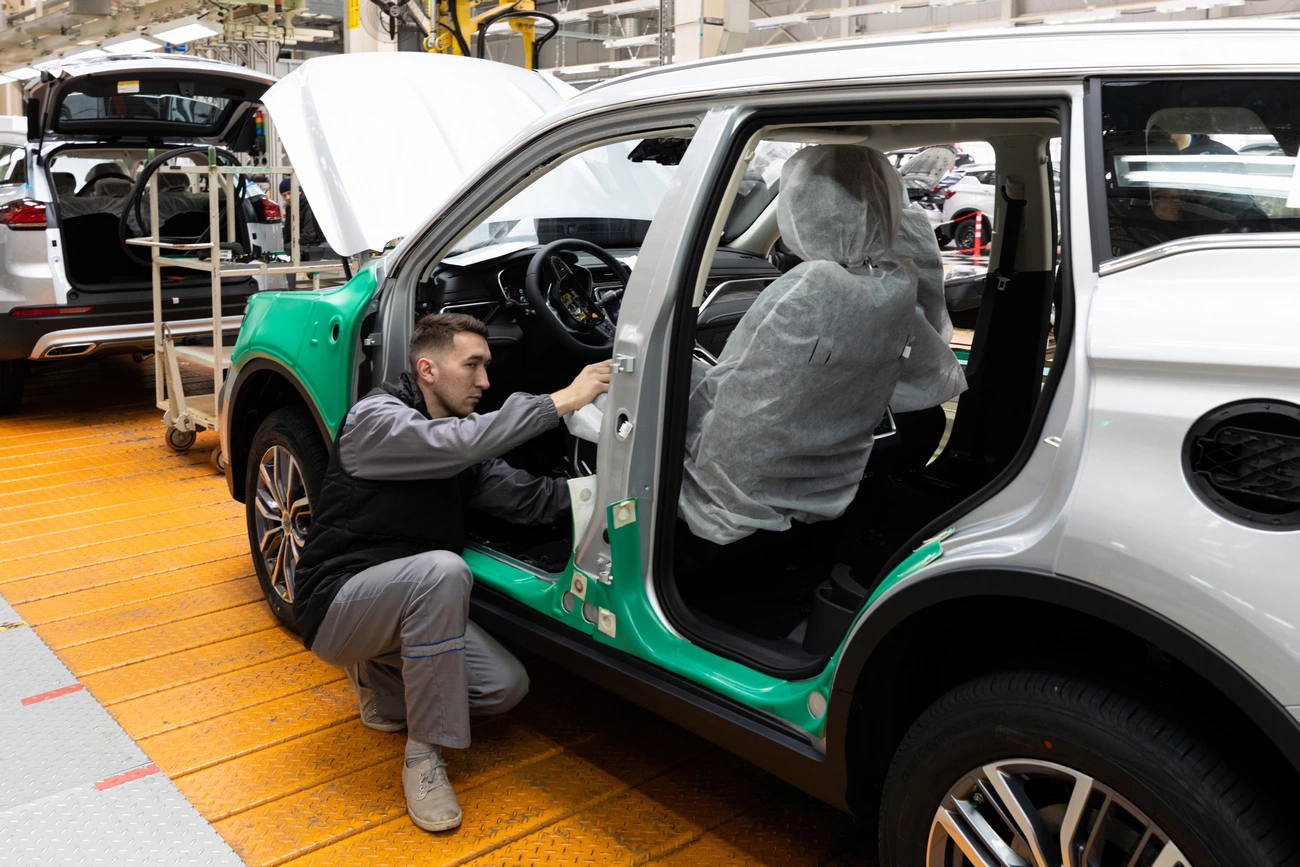
All of these are particularly important in the context of several types of applications. For example, we can mention the installation of electronic components or the fixing of decorative elements in motor vehicles. Our team takes these aspects into account and analyzes them in order to create parts that integrate correctly into the given assembly.
Shock absorption and distribution of mechanical stresses
Today, access to modern, advanced materials is increasing. Many of them are valued for their mechanical behavior, such as acrylic foams. They have viscoelastic properties that allow them to respond effectively to various stresses.
Here's what the material can do in concrete terms:
- Absorbs shocks and vibrations that may occur during use
- Distributes mechanical stresses over a larger surface area
- Adapts to minor deformations and maintains bonding stability
- Compensates for expansion differences and maintains joint integrity
Vibrations can be reduced in various technical structures, and sensitive components in devices can be protected in the long term. For these reasons, companies choose solutions that bring visible improvements to their processes or products.
Through conversion, we create a component configured precisely for the role it needs to fulfill, whatever that may be. Our customized solutions can solve the problems or challenges faced by engineers in many competitive industries.
Other features considered
Another essential property is resistance to external factors. In industrial environments, components may be exposed to varying temperatures, chemicals, humidity, and other conditions. Their performance must be maintained even under such conditions. The elasticity of the material is also very important, as it can compensate for certain variations without affecting the strength of the bond.
Flexibility is also a fundamental characteristic that influences how the adhesive adapts to different shapes. Curved surfaces or complex geometries require components that can follow the contour without losing contact or joint performance.
We consider all these aspects during the analysis stage of the projects we work on. This allows us to decide on the right material and how the part should be configured to achieve the solution our partners need.
Why it matters in industrial applications
Proper fastening is a basic function, but it is not the only one that matters in such applications. Adhesion, mechanical behavior, and resistance to environmental conditions are elements that influence the performance and durability of a part.
In our field, understanding the characteristics allows us to make the right decisions before conversion and develop the right solution for the project. At the same time, we also ensure that it will be stable over time and will not cause problems in use.
The needs of industries are diverse, as are the challenges they face at any given time and for which they turn to us. The key to a successful project is understanding the needs and challenges, followed by choosing the right path to solve them.

 EN
EN  RO
RO  DE
DE