
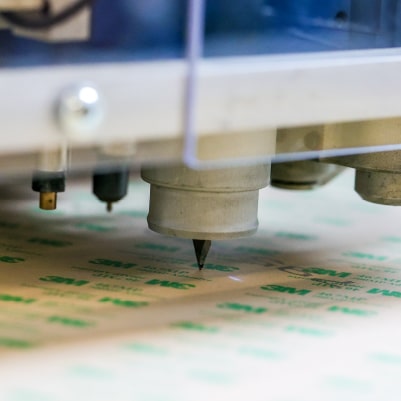
Developing an adhesive component involves evaluating many factors and testing under various conditions of use. This testing stage puts the created part to the test, including how effective the bonding and fixing are. To pass the tests successfully, it must remain stable and the joints must not loosen.
Industrial applications involve temperature variations, constant vibrations, mechanical shocks, and a solution specifically designed for those applications must be able to withstand these conditions. Operations are demanding and products are becoming increasingly complex, resulting in higher requirements for component fastening.
The materials chosen play an important role in this context, but they are not the only thing that matters. Cutting technologies, the processing itself, testing, and quality control ultimately make the difference. Real performance can also be sustained thanks to the expertise of specialists who work to achieve the best solution for a given project.
Stability under temperature and mechanical stress conditions
When talking about adhesives, the first thought is often related to adhesion, how well the bond will be. In various factories and companies, parts are greatly influenced by temperature, humidity, and vibrations, which cause them to behave in a certain way. For us, it is important to take these aspects into account so that we can develop parts that remain stable regardless of the demands placed on them.
To ensure stability, several actions are essential:
- Choosing the right material for the environment of use
- Adjusting thickness and structure according to application
- Compliance with tolerances in the conversion process
Every industry has different requirements and needs, but this is precisely where customized solutions prove their worth. Some of them stand out for their viscoelastic properties, others for their ability to absorb impact and dissipate mechanical stress. Regardless of the case, precise machining can ensure secure fastening in any context.
Protection against external factors
The role of adhesives is not limited to simply sticking things together effectively. Proper sealing is required to protect against all factors that could cause problems. For example, when mounting screens or covers on certain products, sealing properties are carefully considered.
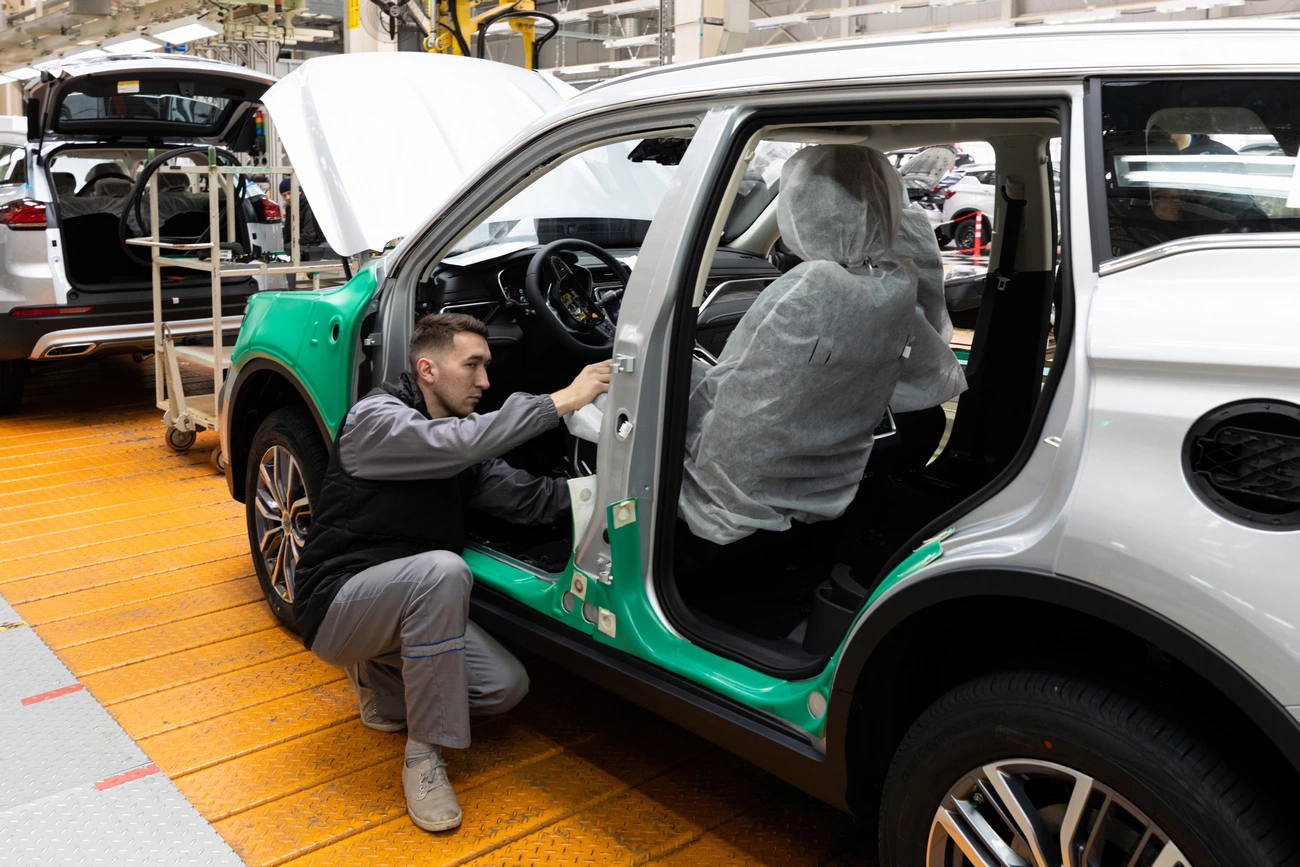
In the case of electronic devices, it is important to take into account the fact that they are becoming increasingly compact. Modern motor vehicles, another relevant example, integrate more and more systems that need to be protected. Each one involves requirements that must be met, which our specialists analyze in order to develop the appropriate solution.
Through conversion, materials are cut and configured to precisely meet the application requirements, allowing for:
- Uniform surface coverage
- Reduced risk of infiltration
- Protection of sensitive parts
- Maintaining product integrity
Properly executed bonding ensures both the long-term durability of the parts and a clean design free of residues, unevenness, and so on; a contribution that becomes especially apparent over time as the product is used.
Secure fastening and easy interventions
There are situations where the bond must be firm yet allow for the controlled disassembly of parts later on, such as for repair, replacement, or recycling operations; the high-performance components we produce ensure secure mounting while offering the possibility of residue-free removal.
Our years of experience allow us to develop dedicated systems for a very wide range of applications, with high-performance tapes characterized specifically by peel adhesion, push-out and shear resistance, as well as impact resistance.
For manufacturers, this approach means flexibility, reliability in final products, and efficient operation throughout the product's life cycle, allowing processes to run safely without compromising on quality or bonding integrity.
A crucial aspect for customized solutions
Technical expertise, process control, and attention to every project detail enable the development of compliant and durable components that successfully support bond safety and the protection of the assemblies into which they are integrated; the difference between a standard and a customized option is precisely evident in how the latter withstands aggressive external factors.
Adhesion is essential, as are processing quality, compliance with tolerances, and ensuring optimal functionality under any operating conditions; companies investing in our technical innovations can build reliable processes ready for their sector's challenges.

 EN
EN  RO
RO  DE
DE