
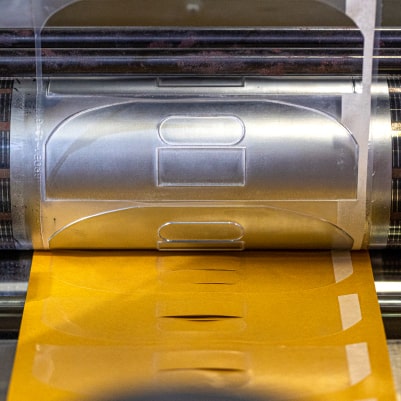
Assembly processes have become increasingly complex as modern industries evolve and integrate new technologies. Today, many companies must meet high standards for precision, efficiency, and adaptability. At the same time, the pressure to optimize costs and reduce production times is influencing how worklines and internal processes are organized.
Assembly is a process that involves more than simply joining components together. Each step must be carefully coordinated to ensure that the process runs as efficiently as possible. In certain applications, even seemingly minor details can affect the pace of work or how the final product functions.
As products and technical requirements become more diverse, companies are seeking solutions that enable more flexible and easier-to-manage processes. In this context, optimizing assembly stages is increasingly viewed as a key component of industrial performance.
Accuracy affects the entire workflow
In many industries, these processes depend on the most precise integration possible of the components and materials used. Even small differences in size or positioning can affect process stability or require additional adjustments on the production line.
Some of the challenges that may arise include:
- The need for very precise tolerances
- The integration of materials with different properties
- The need for additional adjustments during installation
- Ensuring that components are properly aligned
- Challenges related to the stability of repetitive processes
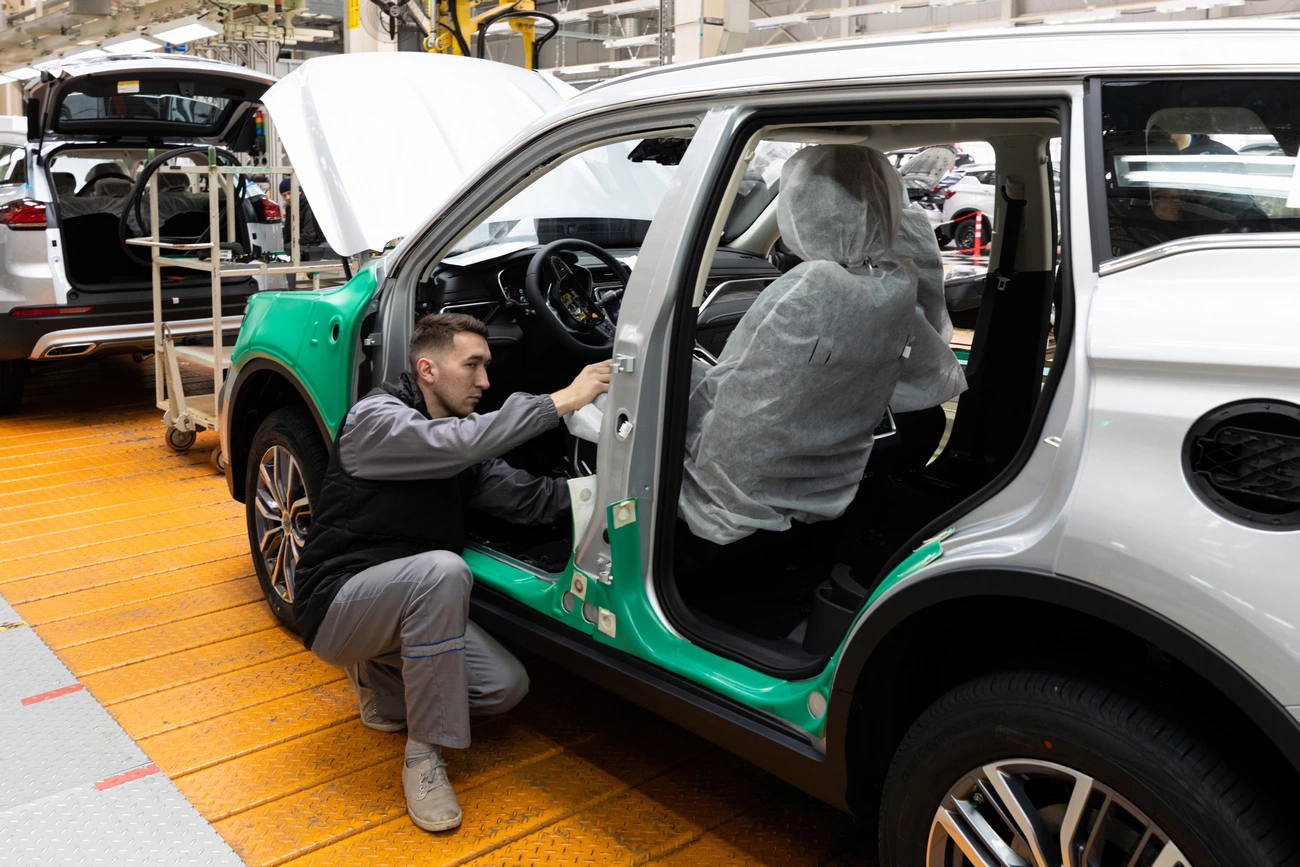
This can be seen in the automotive industry, the electronics sector, and other fields where certain parts must be integrated into limited spaces and adapted to specific requirements. In such applications, companies aim to minimize variations between components and achieve results that are as consistent as possible. They can do this by using customized adhesive solutions.
The variety of materials used in production can present additional challenges. Some materials require different methods of fastening, protection, or integration. In this regard, processes must be tailored to the specific characteristics of each application.
The pace of production can create more pressure
In many industrial settings, production efficiency is influenced by how the assembly stages are organized. Companies strive to reduce cycle times and maintain a steady workflow without compromising product quality.
In practice, certain operations may require:
- Repeated interventions
- Additional checks
- Adjustments that slow down the pace of work
These issues can become more apparent when production volumes increase or when production lines need to be adapted for different projects. In some industries, there is also a growing focus on automation and reducing repetitive manual tasks. This is driven both by a desire for greater efficiency and the need for processes that are easier to manage over the long term.
There is a need for flexibility in various projects
Many companies today work with a wide variety of equipment and are constantly developing new products. This directly influences how they organize their assembly processes. In some cases, production lines must be frequently adapted to accommodate components with different sizes, shapes, or technical requirements.
Compared to the standardized processes used in the past, modern manufacturing often requires greater flexibility and the ability to quickly incorporate changes. This can be particularly important in industries where products evolve rapidly or where requirements vary from one project to another.
Organizations are looking for solutions that make it easier to adapt their processes without compromising operational stability. At the same time, maintaining a consistent level of quality remains a key objective regardless of the application’s complexity. The solutions our company develops can help achieve these goals.
Well-organized processes can ensure long-term efficiency
In many industries, the way internal processes are managed can affect productivity, stability, and operational efficiency. That is why companies are constantly exploring new ways to streamline workflows and adapt their processes to current market demands.
As technology evolves and an ever-wider range of applications emerges, interest in more precise, flexible, and well-organized processes continues to grow. Adaptability and attention to technical details can help industrial activities in many fields run more efficiently.
Thanks to our specialized expertise, access to advanced raw materials, and the use of modern technologies, we are able to create components that ensure long-term performance. No matter what challenges our partners face, we can find a suitable solution that delivers the results they need.

 EN
EN  RO
RO  DE
DE